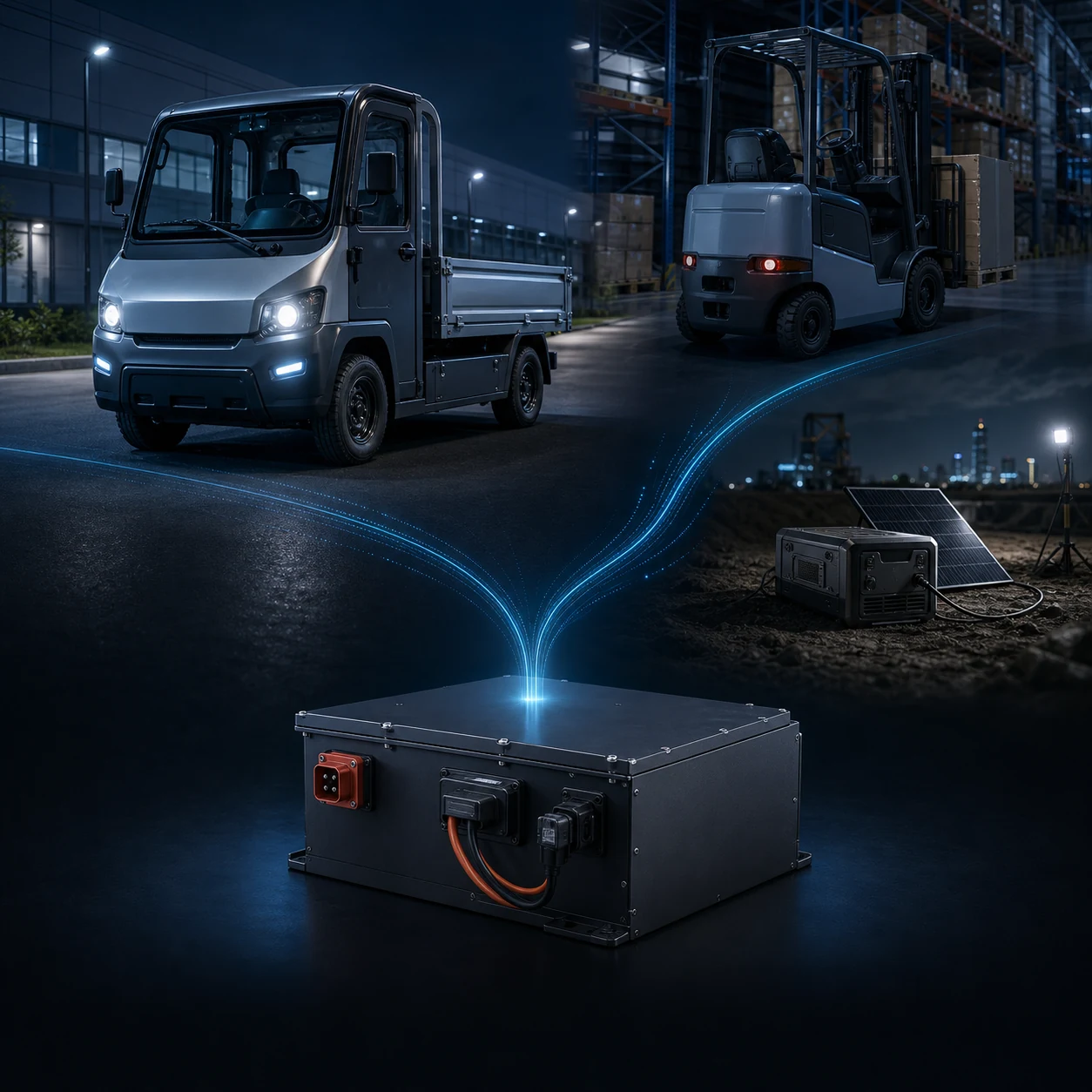
Low-Speed Fleets
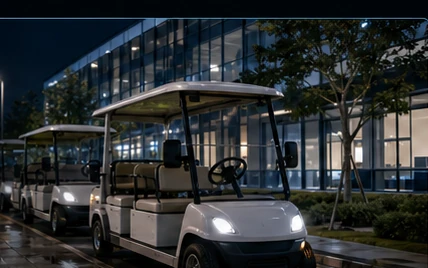
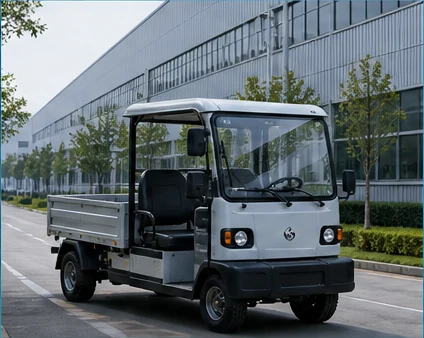
Campus transit and light transport converge on 64V/72V range packages around daily runs, charging windows and vehicle bay space.

Applications
The same battery behaves differently in campus transit, engineering equipment, mobile power, and custom devices. Jiuji Power starts from real operating conditions before narrowing voltage, capacity, BMS communication, and protection structure.
Scenario Solutions
Define the scenario first, then voltage, current, structure and communication. Four solution families cover low-speed fleets, engineering equipment, mobile power and custom devices.
Campus transit and light transport converge on 64V/72V range packages around daily runs, charging windows and vehicle bay space.
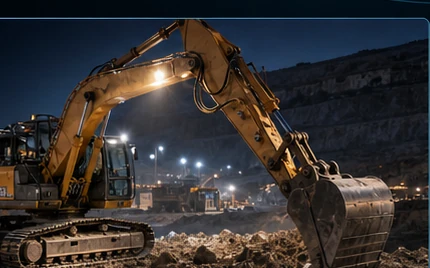
High load, vibration and outdoor duty prioritize continuous current and IP protection boundaries.
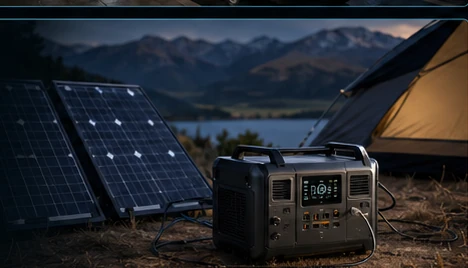
Outdoor recharging and off-grid use start from AC/PV input-output and service windows.
Non-standard dimensions, special communication and structural limits need equipment photos and boundary drawings.
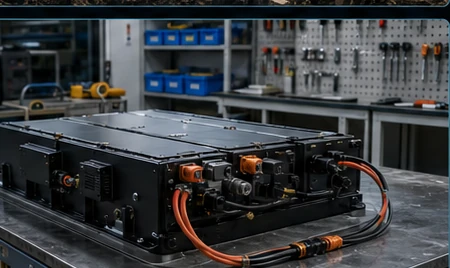
Scenario Solution
Jiuji Power defines, validates, and delivers solutions around equipment conditions, power boundaries, installation space, and communication protocols.
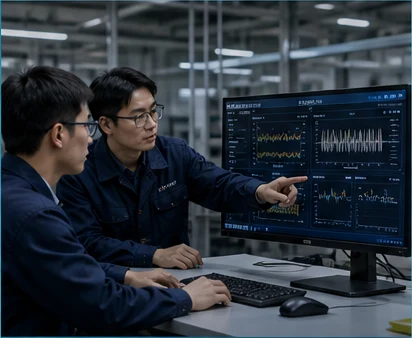
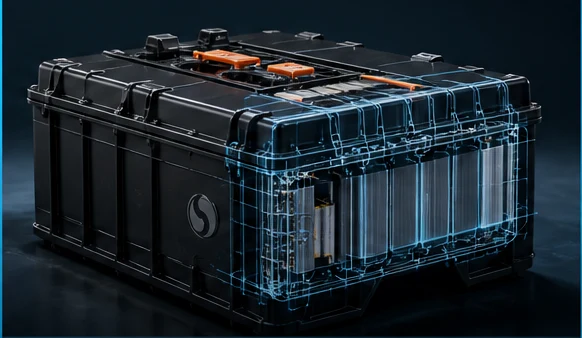
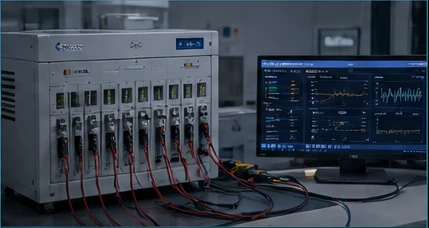
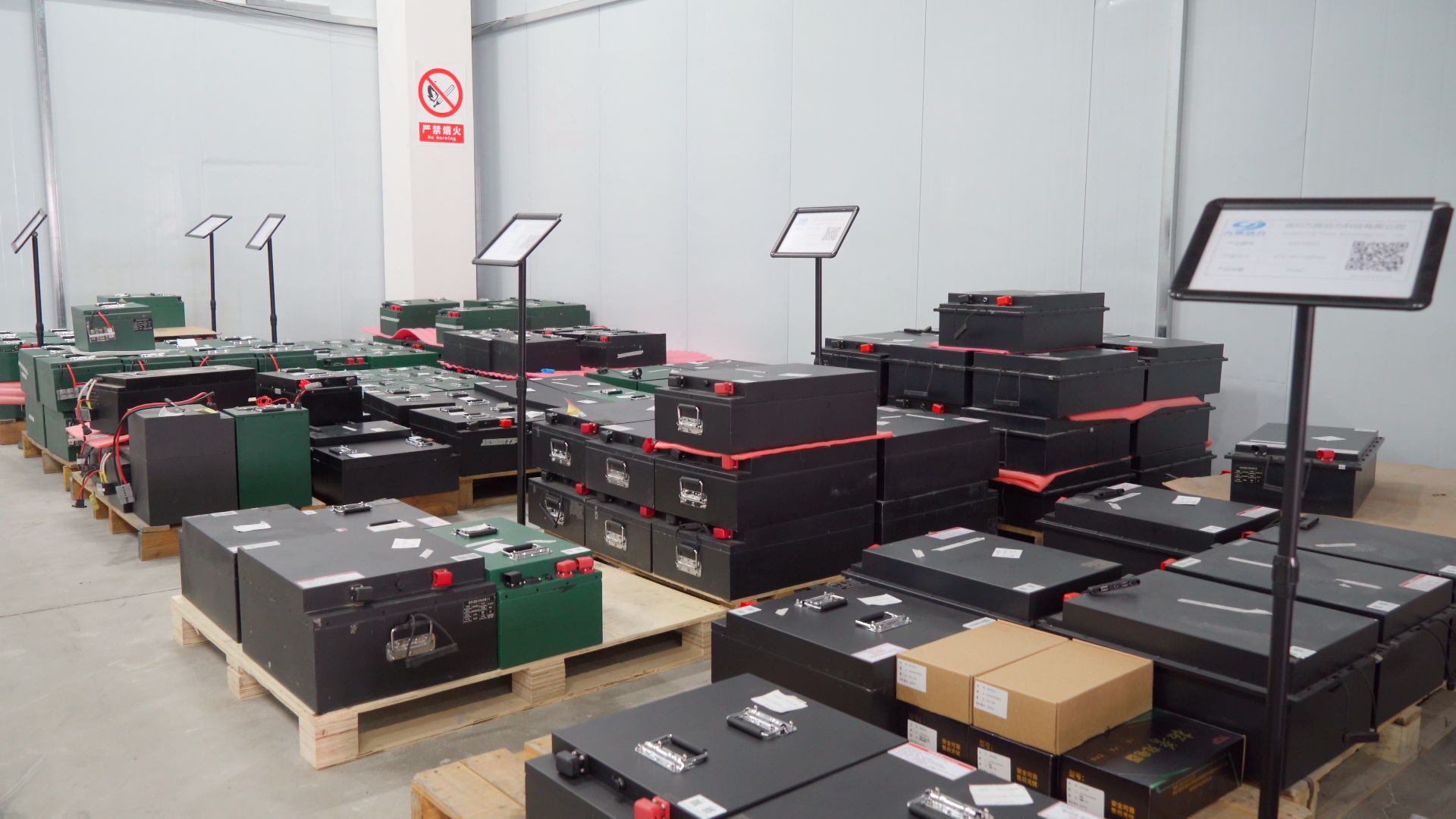
Classify the project family first instead of starting from a single model parameter.
These define the entry direction for 24V, 48V, 64V, 72V, or energy storage platforms.
The same IP65 target can require different housings for chassis-mounted or internal-bay installations.
These determine UART, CAN, RS485, single-wire, or other BMS adaptation paths.
Project Consultation
提供设备类型、电机功率、控制器协议和防护等级...